

What Oil Does My Car Need?
Choosing the Right Engine Oil
Maintaining your car goes beyond the occasional wash and tire rotation—it involves crucial decisions, such as choosing the right engine oil. The type of oil you use significantly impacts your vehicle's performance and lifespan. In this comprehensive guide, we'll delve into the three main types of engine oil, their characteristics, and provide you with a detailed guide to help you make an informed decision.
Understanding the Three Main Types of Engine Oil
If you’re asking yourself: ‘what oil does my car need?’, the first thing to understand is the different kinds of oil that are on the market. Let's explore the three primary types of engine oil: conventional, synthetic blend, and full synthetic, each offering a unique set of advantages and considerations.
Conventional Oil:
Conventional oil is the budget-friendly option, suitable for older cars with simpler engines. However, it tends to have a shorter lifespan compared to synthetic alternatives.
Synthetic Blend Oil:
A middle-ground choice, synthetic blend oil strikes a balance between performance and cost. It provides better protection than conventional oil without the premium price tag, making it an ideal option for many drivers.
Full Synthetic Oil:
While the most expensive, full synthetic oil offers unparalleled performance and protection. It's particularly beneficial for newer cars with advanced engine designs, maximising efficiency and longevity.
Factors to Consider When Choosing Engine Oil
Selecting the right engine oil involves considering several factors to ensure compatibility and optimal performance:
Make, Model, and Year of Your Car:
Consult your vehicle's owner's manual to find the manufacturer's recommended oil specifications for your specific make, model, and year.
Climate:
Take into account the climate of your region when choosing oil viscosity. Cold climates may require a different oil compared to warmer environments.
Driving Habits:
Evaluate your driving habits, such as short trips or long highway drives. Certain oils are formulated to handle specific driving conditions better than others.
Checking and Changing Your Car's Oil
Regular oil checks and changes are essential for maintaining a healthy engine. Follow this simple guide to ensure your engine stays in top condition:
Check Your Oil Level:
Locate the dipstick, wipe it clean, reinsert it fully, and pull it out again to check the oil level. Ensure it falls within the recommended range.
Inspect Oil Colour and Consistency:
Healthy oil should be amber. If it appears dark and gritty, it's time for an oil change.
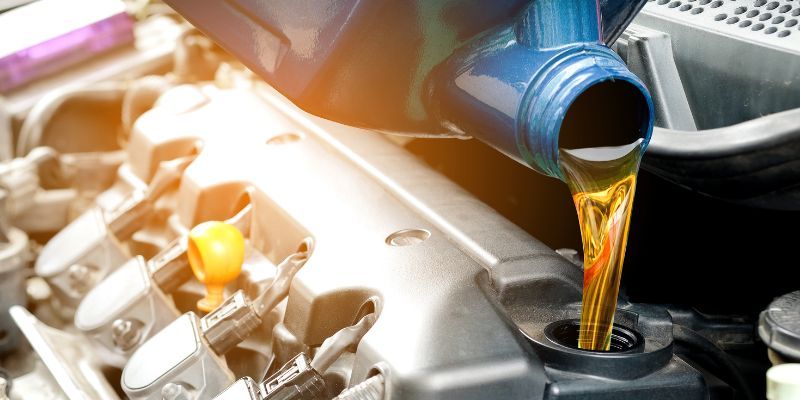
Choosing the Right Oil:
Refer to your vehicle's manual and the considerations mentioned earlier to choose the appropriate engine oil.
Visit Halfords for Oil Selection:
Explore a wide range of options and get expert advice at Halfords, ensuring you find the perfect engine oil for your car.
Conclusion:
Choosing the right engine oil is a pivotal step in maintaining your car's longevity and performance. By understanding the three main types of engine oil and considering factors such as your car's make, model, and driving conditions, you can make an informed decision. Regularly checking and changing your car's oil is a simple yet effective way to ensure a smooth and efficient driving experience while extending the life of your vehicle.