
Why has car production slowed down?
The Problem
During 2020, the coronavirus pandemic caused a crippling blow to many industries, one of those being the automotive sector. Primarily, it affected the production of cars due to the shortage of microchips needed to power infotainment screens, help with blindspot detection and automatic braking. Customer demand is high for cars that provide high tech features that require this complex software, and there can be thousands of microchips in a vehicle.

At the beginning of 2020, the stay at home orders issued by the government kept car buyers away from dealerships, but caused a surge in demand for other electronic devices such as laptops and gaming consoles. These consumer electronics use the same types of chips, so when the car manufacturing industry started to recover, the supply wasn’t there to fulfil the demand.
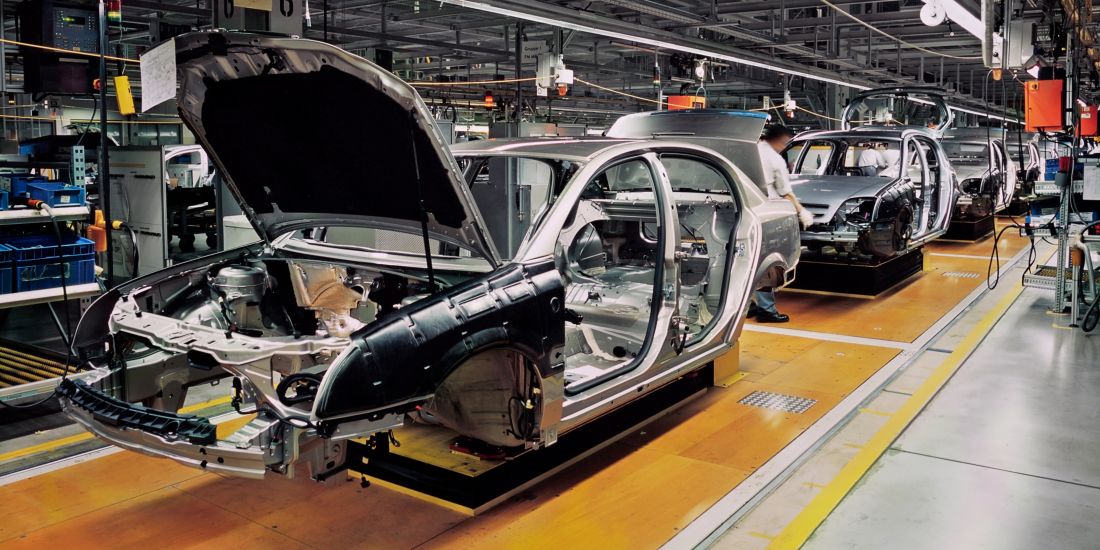
Because of this, car manufacturers have been forced to stop production of certain car models, and even furlough certain workers.
Additionally, resurgence of covid cases in important chip making regions caused supply to plummet. Microchips for cars are in fact extremely difficult to make, and only a few countries in the world can build them. Around 70% of all the microchips used in modern cars come from one supplier in Taiwan.
Availability has also been restricted due to natural disasters that have disrupted the supply chain.
To add even further to the issue, there are specific types of microchip that need to be used for cars. These are called legacy chips, which are older designs, and not as profitable for the microchip industry. So when looking at who to prioritise providing chips for, car manufacturers are automatically pushed to the back of the line.
Why does it matter?
The Society of Motor Manufacturers and Traders (SMMT) said just 113,781 new registrations were recorded in the UK [during November 2020], nearly 43,000 or 27.4% fewer than during November 2019. Trade has not been this poor since the 2008 recession.
Some manufacturers have even cut back production of some of their best selling and most profitable models.
All these shortages also led used car prices to skyrocket, as demand was so high where new models weren’t readily available.
How is the automotive industry combating this issue?
Some car manufacturers are dropping certain features on their vehicles that require chips. For example GM (General Motors) have said they were building some pick up trucks, but decided to exclude software that helps manage fuel consumption. Tesla also chose to remove the adjustable lumbar support from the front passenger seat amid supply chain pressure too.
It’s also forced car manufacturers to come up with a new strategy when it comes to the supply chain process. As a solution, they’re looking at stockpiling chips, and even designing their own chips.
Don’t want to wait for a factory order? Browse our stock of nearly new used cars on our website today. There’s over 1051 cars for you to choose from, from major manufacturers including Ford, Nissan, Volkswagen and Hyundai all of which can be collected from our dealership in Derby or delivered straight to your home.